Strapless dresses are timeless, elegant, and a staple for proms, weddings, and evening events. They offer a sleek silhouette and highlight shoulders, collarbones, and arms, making them a favorite among fashion lovers. However, they come with a unique set of challenges that BareMuse knows all too well. From sliding down mid-event to gaping at the bust, strapless dresses can test even the most experienced dress wearer.
In this guide, we will explore the fit problems only strapless dresses have and provide comprehensive solutions for each. Whether it’s adjusting a too-loose bodice, securing the bust, or tailoring for your body type, this guide will help you feel confident, secure, and stylish in your strapless dress.
Why Strapless Dresses Have Unique Fit Problems?
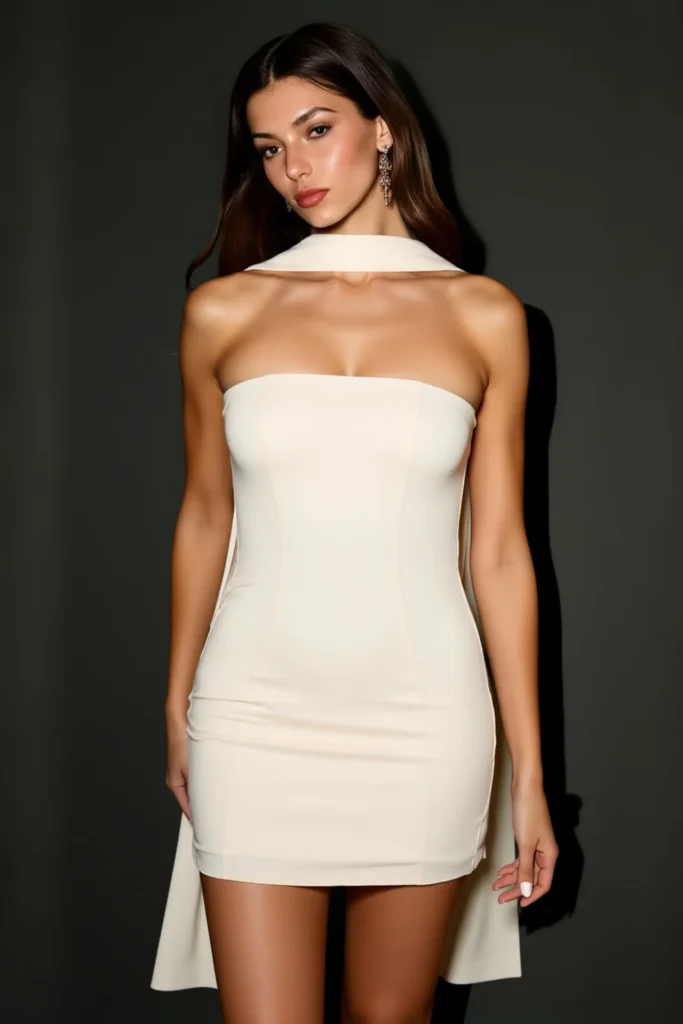
Strapless dresses are celebrated for their elegant, minimalist appeal, offering a clean neckline and highlighting the shoulders and collarbones. However, the very feature that makes them stylish—the absence of shoulder straps—introduces a set of fit challenges that other dress styles rarely encounter. Ensuring a perfect fit requires careful consideration of design, body shape, and fabric behavior.
- Lack of inherent support: Without straps to anchor the dress, the bodice must rely entirely on its construction—whether through snug tailoring, boning, or built-in cups—to stay in place. Any compromise in these elements can lead to slipping, gaping, or discomfort.
- Variations in body shape: Differences in bust size, torso length, and overall proportions significantly influence how a strapless dress fits. What works for one silhouette may fail for another, making size and fit assessment crucial.
- Fabric and construction challenges: Slippery fabrics like satin or silk can exacerbate slipping, while soft or loosely structured fabrics may wrinkle or collapse. Even slight inaccuracies in stitching or cut can compromise the dress’s overall fit.
As a result, common strapless dress problems often include sliding down, gaping at the bust, wrinkling at the waist or bodice, and uneven hems. Addressing these issues requires targeted solutions tailored to both the dress design and individual body proportions. The following sections explore each problem in detail and provide practical, expert-recommended fixes.
Common Fit Problems and How to Fix Them

Strapless dresses, while visually stunning, present unique challenges that require careful attention to fit and support. Understanding the most common issues and their causes allows for targeted solutions, ensuring both comfort and confidence.
Dress Slides Down
One of the most frequent issues with strapless dresses is sliding down, which can disrupt posture and cause constant adjustment.
- Causes: Sliding down is a frequent problem for strapless dresses, often caused by a bodice that is too loose to create adequate friction, or a slight size mismatch that compromises fit. Dresses lacking boning or elastic support may fail to hold their position, and slippery fabrics such as silk, satin, or smooth polyester tend to glide against the skin, increasing the likelihood of slippage.
- Solutions: Several methods can help secure the dress in place. Double-sided fashion tape along the inside edge of the bodice provides a firm grip, while silicone grip strips sewn into the lining prevent sliding without adding bulk. An elastic or silicone-lined bodice enhances natural friction, and built-in sew-in cups or an underwire bra offer additional support, particularly for fuller busts, ensuring both comfort and stability.
Gaping at the Bust
A common issue with strapless dresses is gaping at the bust, which not only affects appearance but also comfort and confidence. This problem arises when the dress fabric fails to conform perfectly to the natural contours of the chest, creating loose areas or gaps.
Causes:
- Small bust or uneven shape: Dresses are often designed for average proportions, so a smaller or asymmetrical bust may leave fabric unfilled, causing gaps.
- Incorrect bodice cut: Bodice patterns not tailored to individual body contours can result in sections that are too loose or poorly aligned.
- Unstructured or soft fabric: Fabrics lacking rigidity, such as lightweight chiffon or thin satin, collapse easily and fail to maintain shape around the bust.
Solutions: To achieve a smooth and secure fit, several approaches can be applied. Inserting bra padding or sew-in cups customizes the bust area, filling gaps and creating a natural shape. Adjustable boning or corset-style construction adds structure, preventing the bodice from collapsing or gaping. Finally, professional tailoring of the bust area ensures the dress hugs the chest precisely, offering both comfort and a polished silhouette.
Addressing bust gaping requires a combination of proper support, structural reinforcement, and tailored adjustments, allowing strapless dresses to maintain elegance and functionality across different body shapes.
Too Tight or Restrictive
A strapless dress that is overly tight can restrict movement, create discomfort, and affect confidence.
- Causes: A strapless dress can feel too tight or restrictive when the wrong size is chosen, as a smaller bodice constricts the torso. Fabrics without stretch limit flexibility, and incompatible undergarments, such as over-compressive bras or shapewear, can exacerbate discomfort.
- Solutions: Minor adjustments like tailoring or letting out seams can restore comfort while maintaining the dress’s fit. Opting for stretch fabrics or incorporating flexible boning allows ease of movement, and selecting undergarments that complement the dress ensures support without added restriction.
Wrinkling at the Waist or Bodice
Wrinkling in the bodice or waist can distort the sleek silhouette and make a strapless dress appear poorly fitted.
- Causes: Wrinkling in the bodice or waist of a strapless dress often occurs due to an improper fit, where the bodice may be too large or too small, causing the fabric to bunch. Lightweight or slippery fabrics are especially prone to creasing, and the absence of lining or internal structure can prevent the fabric from holding its intended shape.
- Solutions: Wrinkles can be minimized through proper tailoring and the addition of darts to remove excess fabric. Incorporating lining or boning provides structural support, while choosing heavier, structured fabrics like satin, taffeta, or chiffon helps maintain a smooth, flawless silhouette.
Uneven Hem or Length Issues
Uneven hems affect both the appearance and practicality of a strapless dress, potentially impacting movement and balance.
- Causes: Uneven hems in strapless dresses often result from variations in body shape, including height, posture, and proportions, which influence how the fabric falls. Additionally, some materials may stretch or sag after wearing, and pre-made hems may not account for these individual differences, leading to an unbalanced appearance.
- Solutions: The hem can be tailored after trying on the dress to ensure the length is proportionate to both height and movement. For the best results, professional seamstress adjustments provide small, precise corrections that create a polished and balanced look.
Understanding these common fit issues and their causes allows for strategic solutions, whether through tailoring, structural enhancements, or support accessories. With careful attention to fit and fabric, strapless dresses can achieve both elegance and comfort, minimizing the typical problems associated with their design.
Body Type Considerations for Strapless Dresses

Strapless dresses do not fit every body type the same way, and understanding how proportions affect fit is crucial for both comfort and appearance. Different silhouettes require tailored solutions to prevent slipping, gaping, or restriction, ensuring the dress enhances natural curves while remaining secure.
- Petite Frames: For petite figures, excess fabric or overly voluminous skirts can overwhelm the frame and make the dress difficult to manage. Choosing dresses with shorter trains and minimal flare maintains balance and proportion. Additionally, elastic grip linings or silicone strips help the dress stay in place, preventing sliding without compromising elegance.
- Hourglass Figures: Hourglass shapes benefit from fitted bodices that accentuate the waist while supporting the bust. Incorporating boning or corset-style construction ensures the bodice maintains structure, preventing gaping and keeping the dress aligned with the natural silhouette. Tailoring the waistline can further enhance the fit and create a flattering profile.
- Plus-Size Figures: Structured fabrics are particularly important for plus-size frames, as they provide stability and prevent sagging. Dresses with built-in cups and reinforced bodices offer essential support for the bust while keeping the dress securely in place. Attention to proportion, fabric weight, and strategic tailoring ensures a comfortable, elegant fit that complements curves.
By considering body shape and making targeted adjustments, strapless dresses can be both flattering and secure for all figures, minimizing common fit issues and maximizing comfort and confidence.
Support Solutions for Strapless Dresses
Even a well-fitted strapless dress can benefit from additional support to ensure it remains secure, comfortable, and flattering throughout wear. The right support not only prevents slipping or gaping but also enhances posture and confidence, especially during long events like weddings, proms, or formal gatherings.
- Built-in Support Options: Many strapless dresses come with sew-in cups, underwire support, or elastic-lined bodices. These features provide structure and stability directly within the dress, minimizing movement and reducing reliance on external aids. Properly constructed built-in support can make a significant difference, particularly for fuller busts or dresses with heavier fabrics.
- External Support Solutions: For dresses lacking sufficient built-in structure, external aids can enhance fit and security. Double-sided fashion tape, clear shoulder straps, or adhesive bras create discreet support without affecting the dress’s appearance. These solutions are particularly useful for lightweight or slippery fabrics.
- Combination Methods: For maximum security, especially during high-movement events, combining internal and external support is highly effective. For instance, using fashion tape alongside sew-in cups or adhesive bras ensures the dress stays perfectly in place all night while maintaining a smooth, elegant silhouette.
A combination of built-in and external support tailored to the dress and body shape guarantees stability, comfort, and a polished look, minimizing common strapless dress fit issues.
Tips to Fit Problems Only Strapless Dresses Have

Even the most carefully selected strapless dress can encounter fit problems if proper precautions are not taken. Understanding how to choose, test, and adjust the dress ensures both comfort and a polished appearance, reducing the likelihood of slipping, gaping, or wrinkling.
- Choose the Right Size: Selecting the correct size is the foundation of a secure fit. Trying multiple sizes and styles allows assessment of how the dress conforms to different body proportions, ensuring the bodice hugs the bust and waist appropriately without being too tight or loose.
- Test Movement: Before any event, it’s essential to walk, dance, and lift the arms while wearing the dress. Observing how the fabric behaves during movement helps identify potential slipping or gaping, allowing adjustments or additional support measures if necessary.
- Tailoring: Professional alterations are often the key to a flawless fit. Minor adjustments to seams, darts, or the bodice can significantly enhance comfort, support, and overall appearance, particularly for off-the-rack dresses.
- Fabric Selection: Structured fabrics provide natural resistance against slipping and wrinkling. Choosing materials such as satin, taffeta, or chiffon with weight ensures the dress maintains shape while complementing the wearer’s body contours.
By carefully selecting size, testing movement, considering professional tailoring, and choosing appropriate fabrics, strapless dresses can achieve a secure, flattering fit while minimizing common issues.
FAQs About Strapless Dress Fit Problems
Strapless dresses are elegant and versatile, but they often raise practical questions regarding fit, support, and comfort. Understanding expert-recommended solutions can help minimize issues and ensure a confident, polished appearance for any occasion.
Can a strapless dress work for a full bust?
Yes. Proper support is essential, which can be achieved through sew-in cups, underwire bras, or reinforced boning. These elements maintain the shape of the bodice, prevent gaping, and provide the necessary lift for a secure fit.
How can sliding be prevented during extended wear?
To stop a strapless dress from sliding down, combine multiple solutions: fashion tape along the bodice, silicone grip strips, and ensuring the correct size and snug fit. Using these methods together offers maximum stability without compromising comfort or style.
Are strapless dresses suitable for petite frames?
Absolutely. For petite figures, selecting shorter trains, minimal flare, and a snug bodice ensures the dress is proportionate, maintains balance, and prevents excessive fabric from overwhelming the frame.
What are the best support options without visible straps?
Discreet support solutions include adhesive bras, built-in cups, and fashion tape. These methods provide security while preserving the clean, strapless silhouette.
Conclusion
Strapless dresses are undeniably elegant, but they come with fit challenges that can make or break your look. From sliding down and gaping at the bust to wrinkling and uneven hems, these problems are unique to strapless styles. BareMuse encourages you to use the solutions discussed above—whether it’s double-sided tape, sew-in cups, boning, or professional tailoring—to enjoy your strapless dress with confidence and style. By understanding the fit problems only strapless dresses have and applying these expert fixes, you can ensure comfort, security, and elegance for any event.