Shopping for formalwear online can feel exciting at first, but many shoppers quickly realize how difficult it is to judge actual dress quality through edited product photos alone. This becomes even more challenging when buying strapless gowns because support, shaping, and internal construction determine whether a dress feels elegant or uncomfortable after hours of wear. Many shoppers searching for How to Spot High-Quality Boning & Structured Bodices When Shopping Online are not just looking for beautiful designs. They want dresses that stay secure, sculpt the body naturally, maintain posture, and move gracefully without constant adjustment. Unfortunately, marketing terms like “corset bodice” or “structured gown” are often used loosely, even when the actual construction is minimal.
This guide from BareMuse explains how to evaluate structured bodice dresses, identify genuine high quality boning in dresses, and recognize the hidden support systems that separate polished formalwear from poorly engineered gowns. This article explores everything from strapless dress boning and fabric behavior to neckline tension, seam precision, and online shopping red flags. BareMuse will also break down the differences between plastic and steel boning, how corset bodice construction actually works, and which visual clues help shoppers identify truly supportive formalwear before purchasing online.
Why Boning and Bodice Structure Matter So Much
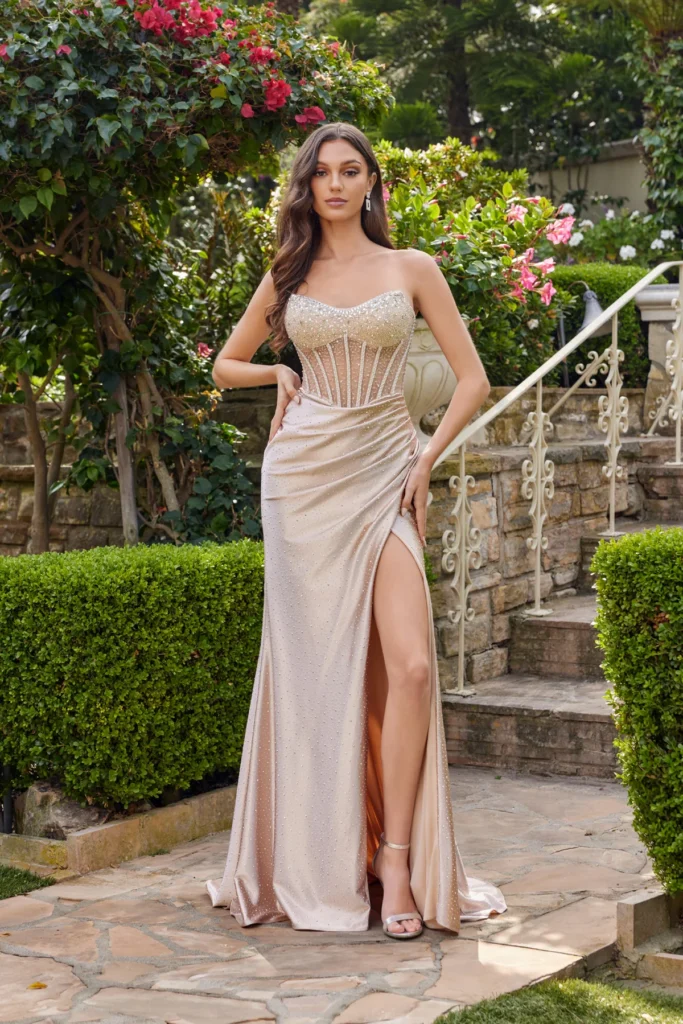
When shoppers first browse formal gowns online, they often focus primarily on:
- Color
- Silhouette
- Embellishment
- Trend appeal
- Neckline shape
However, what truly determines whether a strapless dress feels luxurious and secure is the internal structure hidden beneath the visible fabric.
This is especially important in structured evening gowns because strapless silhouettes depend entirely on engineering rather than shoulder support.
How Strapless Dresses Stay Up
Many people assume strapless dresses stay up through tightness alone, but strong internal corsetry dresses rely on much more advanced balance systems.
A properly structured bodice distributes support through:
- Waist anchoring
- Boning channels
- Compression panels
- Bust shaping
- Fabric tension
- Strategic seam placement
The goal is not simply squeezing the body. Instead, good construction creates:
- Stability
- Shape retention
- Comfortable movement
- Postural support
Poorly constructed dresses often depend entirely on aggressive compression around the bust, which usually leads to:
- Slipping
- Digging
- Neckline rolling
- Constant pulling upward
The Difference Between Decoration and Support
One of the biggest misconceptions in online formalwear shopping is confusing decorative design with structural engineering.
A dress may include:
- Beading
- Embroidery
- Sequins
- Lace overlays
- Dramatic silhouettes
while still lacking genuine support.
Real structured prom dresses contain internal features such as:
- Boning
- Reinforced lining
- Waist stays
- Support mesh
- Bodice interfacing
These details may not appear immediately visible in product images, but they dramatically affect how the gown behaves during:
- Walking
- Sitting
- Dancing
- Long wear
Luxury appearance without support rarely translates into comfortable wearability.
Why Cheap Construction Causes Slipping
Most slipping problems happen because the bodice lacks:
- Proper tension balance
- Stable anchoring
- Reinforced structure
- Correct boning placement
Cheap construction often simplifies internal engineering to reduce manufacturing costs.
This may include:
- Thin lining
- Weak boning
- Minimal bust structure
- Poor seam reinforcement
As a result, dresses lose stability quickly during movement.
Many shoppers blame their body shape when the real issue is weak construction.
How Structure Affects Comfort and Posture
High quality boning in formal dresses does more than improve security. It also affects:
- Spine alignment
- Shoulder posture
- Bust positioning
- Waist definition
- Overall silhouette balance
Well engineered structure helps dresses feel:
- More secure
- Less restrictive
- More balanced
- Easier to wear for long periods
This is one reason designer gowns often appear more elegant naturally. The garment subtly improves posture through internal balance.
BareMuse believes hidden structure is one of the most important aspects of formalwear design because confidence comes not only from appearance but also from comfort and stability.
Types of Boning Used in Formal Dresses
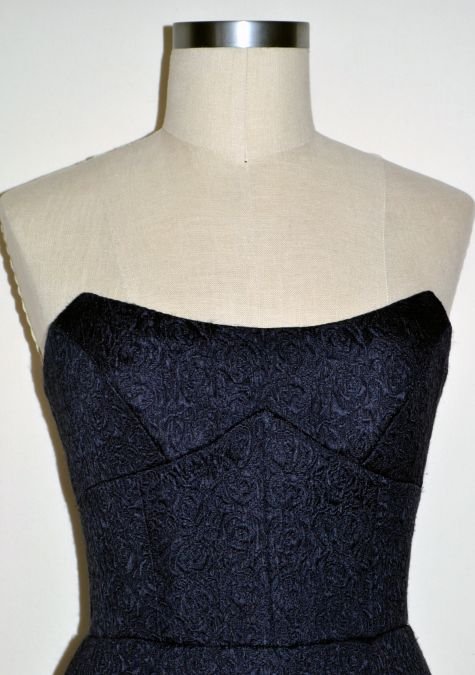
Not all boning performs the same way. Understanding the differences helps shoppers evaluate supportive bodice dresses more accurately when shopping online.
Plastic Boning vs Steel Boning
Plastic boning is the most common support material in:
- Affordable gowns
- Mid range formalwear
- Fast fashion dresses
It offers:
- Lightweight shaping
- Mild flexibility
- Basic structure
However, low quality plastic boning may:
- Warp
- Bend unevenly
- Collapse under pressure
- Lose shape over time
Steel boning, commonly used in luxury corsetry and couture inspired gowns, provides:
- Stronger stability
- Better posture support
- More consistent shaping
- Improved long term durability
Steel systems hold tension more effectively without collapsing during movement.
Flexible Boning Systems
Not all quality boning needs to feel rigid.
Some modern gowns use flexible synthetic systems designed to:
- Move naturally with the body
- Maintain comfort
- Prevent stiffness
- Support extended wear
High quality flexibility differs greatly from weak support. Well engineered flexible boning still maintains:
- Shape integrity
- Controlled structure
- Balanced support distribution
Spiral Steel Boning in Luxury Gowns
Certain structured evening gowns incorporate spiral steel boning, especially within:
- Couture corsetry
- Architectural bodices
- Heavy formal gowns
Spiral steel adapts more smoothly to curved body movement while maintaining strong support.
Benefits include:
- Better contour shaping
- Improved mobility
- Stronger recovery
- More natural flexibility
These systems require advanced construction techniques, which is why they are more common in designer gowns.
Lightweight Support in Mid Range Dresses
Many mid range dresses use hybrid support systems combining:
- Plastic boning
- Reinforced seams
- Support mesh
- Structured lining
These systems may still perform very well when designed thoughtfully.
The quality depends less on material alone and more on:
- Placement precision
- Pattern engineering
- Fabric stability
- Bodice balancing
A poorly designed steel corset may perform worse than a carefully balanced synthetic support system.
How Boning Placement Changes Fit
Placement matters just as much as material.
Well positioned strapless dress boning helps:
- Prevent rolling
- Maintain neckline tension
- Support bust shaping
- Stabilize waist compression
Poorly positioned boning may:
- Dig into the body
- Create awkward shaping
- Cause wrinkling
- Distort movement
Signs of thoughtful placement often include:
- Smooth vertical lines
- Even tension distribution
- Stable neckline shape
- Minimal bunching
BareMuse carefully engineers boning placement to create support that feels natural rather than restrictive because elegant movement depends on balanced internal architecture.
Visual Clues That Reveal High Quality Structured Bodices
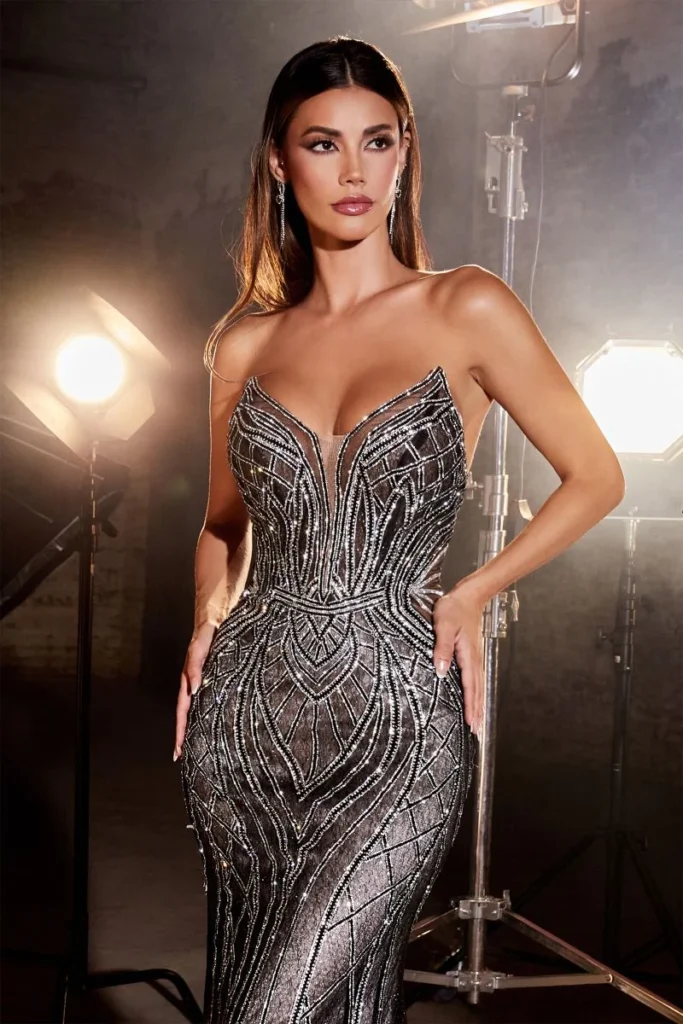
Even without touching the garment physically, shoppers can often identify construction quality through careful visual analysis. Learning how to read product photos critically is one of the most valuable online shopping skills.
Smooth Neckline Tension
A high quality neckline should appear:
- Smooth
- Stable
- Symmetrical
- Balanced
Wrinkling or collapsing near the bust often signals weak internal support.
Strong corset bodice construction usually maintains clean neckline tension even during movement photos.
Look carefully for:
- Rolling edges
- Loose fabric rippling
- Gaps at the bust
- Uneven compression
These are common warning signs of poor structure.
Symmetrical Seam Placement
Seams reveal enormous information about craftsmanship.
Luxury gowns usually feature:
- Even seam spacing
- Balanced shaping
- Precise symmetry
- Controlled contouring
Poor seam alignment often causes:
- Twisting
- Pulling
- Uneven fit
- Distorted silhouette balance
The more sculpted the dress silhouette, the more important seam precision becomes.
Stable Bust Shape Without Wrinkling
A supportive bodice should maintain shape naturally without excessive tension lines.
Good support creates:
- Smooth contouring
- Balanced compression
- Natural shaping
- Stable fabric tension
If the bust area appears heavily wrinkled even in professional photos, support structure may be weak.
Clean Interior Finishing in Product Photos
When brands show interior construction photos, pay attention to:
- Boning channels
- Lining quality
- Seam finishing
- Waist reinforcement
- Support panels
Visible interior details often signal greater transparency and stronger construction confidence.
Many low quality sellers intentionally avoid showing:
- Bodice interiors
- Close up seams
- Lining structure
because weak construction becomes obvious quickly.
Signs of Real Corset Construction
Real corsetry usually includes:
- Multiple support channels
- Layered structure
- Strong lining
- Defined waist shaping
- Reinforced seams
Many dresses marketed as “corset gowns” only feature decorative lace up backs without genuine structural engineering.
True corsetry changes how the dress:
- Supports posture
- Distributes weight
- Shapes the torso
- Maintains silhouette stability
BareMuse believes educated shoppers make stronger fashion decisions when they understand how to evaluate structure visually instead of relying entirely on marketing language.
How Fabric Choice Affects Bodice Structure
Fabric selection plays a major role in determining whether structured bodice dresses actually maintain support during wear. Even the best boning system can struggle if paired with unstable or weak fabric. Many shoppers focus only on color or texture, but fabric behavior strongly affects:
- Bodice stability
- Bust support
- Wrinkle resistance
- Shape retention
- Overall comfort
This is why experienced designers evaluate structure and fabric together rather than separately.
Why Satin Holds Shape Better
Satin remains one of the most effective fabrics for structured prom dresses because it naturally supports cleaner silhouette lines.
Higher quality satin offers:
- Better tension control
- Smoother drape
- Improved structure
- Stronger wrinkle resistance
- More polished light reflection
This helps the bodice maintain shape without excessive stiffness.
Luxury satin especially performs well because the fabric density supports:
- Seam stability
- Boning reinforcement
- Bust contouring
- Waist shaping
Lower quality satin, however, may:
- Crease heavily
- Reveal tension lines
- Lose structure quickly
- Collapse at stress points
Fabric quality matters just as much as fabric category.
Stretch Fabrics and Recovery Strength
Stretch fabrics can improve comfort dramatically when engineered correctly.
Good stretch materials should:
- Return to shape quickly
- Maintain tension balance
- Resist sagging
- Support movement naturally
Poor quality stretch fabrics often:
- Lose recovery strength
- Roll downward
- Distort neckline shape
- Create uneven compression
This becomes especially problematic in supportive bodice dresses, where consistent tension is necessary for stability.
When evaluating stretch gowns online, look carefully at:
- Fabric thickness
- Wrinkle behavior
- Side seam stability
- Bust shaping consistency
High recovery stretch fabrics usually maintain smoother contouring in movement photos.
Mesh Layering and Support Panels
Many luxury inspired gowns use hidden mesh layers internally to improve:
- Compression balance
- Waist anchoring
- Bodice support
- Bust stabilization
Mesh support panels may remain invisible externally while dramatically improving comfort and security.
Signs of layered support may include:
- Smooth bodice shaping
- Reduced wrinkling
- Stable neckline tension
- Cleaner silhouette flow
Multiple support layers usually indicate stronger construction investment.
Thin Fabric Warning Signs
Very thin fabrics often struggle to support boning in formal dresses effectively.
Warning signs include:
- Visible pulling
- Seam puckering
- Bust collapse
- Fabric transparency
- Uneven draping
Thin materials also reveal construction flaws faster because they cannot distribute tension evenly.
If a gown looks wrinkled or unstable even in professional studio photography, the fabric may lack enough structural integrity to support the bodice properly.
How Fabric Weight Changes Stability
Fabric weight changes how a dress behaves during:
- Walking
- Sitting
- Dancing
- Long wear
Heavier fabrics often:
- Hold shape better
- Support seams more effectively
- Improve drape consistency
- Stabilize bodice structure
However excessively heavy fabrics may also:
- Pull downward
- Increase bodice pressure
- Require stronger corsetry
Balance is essential.
BareMuse carefully combines fabric engineering with structural design because a supportive gown should feel elegant, secure, and comfortable simultaneously rather than stiff or restrictive.
Online Shopping Red Flags to Watch For

One of the biggest challenges in learning How to Spot High-Quality Boning & Structured Bodices When Shopping Online is recognizing when product presentation hides weak construction. Many online listings prioritize visual marketing over transparency.
Learning to identify warning signs can help shoppers avoid disappointing purchases.
Over Edited Product Images
Extremely edited images often hide:
- Wrinkling
- Poor fit
- Weak structure
- Uneven seams
- Fabric collapse
Warning signs may include:
- Unrealistically smooth fabric
- Blurred seam areas
- Identical body poses across dresses
- Artificially exaggerated waist shaping
Look for:
- Real movement photos
- Customer images
- Close up texture shots
- Side angles
because structure becomes easier to evaluate through natural movement.
Missing Interior Photos
Brands confident in construction quality often show:
- Lining details
- Boning channels
- Interior corsetry
- Seam finishing
- Bodice interiors
If a listing avoids all interior views, shoppers should examine the product more cautiously.
Hidden structure matters greatly in internal corsetry dresses, so transparency usually signals stronger design confidence.
Vague “Corset” Marketing Language
One common online shopping issue involves misleading terminology.
Words like:
- “Corset inspired”
- “Structured fit”
- “Built in support”
- “Corset bodice”
do not automatically mean genuine corsetry exists.
Real corset bodice construction usually includes:
- Boning systems
- Reinforced lining
- Waist stabilization
- Compression structure
- Multi layer engineering
Decorative lace up backs alone do not create true support.
Extremely Low Prices and Weak Construction
While affordable gowns can still perform beautifully, extremely low prices sometimes indicate:
- Simplified support systems
- Thin fabric
- Weak boning
- Minimal lining
- Mass production shortcuts
This does not mean every inexpensive dress is poorly made, but shoppers should build realistic expectations regarding:
- Long wear comfort
- Support strength
- Fabric recovery
- Construction durability
Price alone does not define quality, but construction complexity does affect manufacturing costs significantly.
Review Clues That Reveal Support Problems
Customer reviews often reveal valuable information about:
- Slipping
- Gapping
- Bust support
- Movement stability
- Wrinkling
- Boning discomfort
Look especially for repeated comments mentioning:
- Constant pulling upward
- Rolling necklines
- Weak structure
- Uncomfortable pressure points
Patterns across reviews often reveal structural weaknesses more accurately than brand descriptions.
BareMuse encourages shoppers to evaluate dresses critically because understanding construction details helps buyers invest more confidently and avoid relying entirely on marketing language.
How to Shop Smarter for Structured Prom Dresses
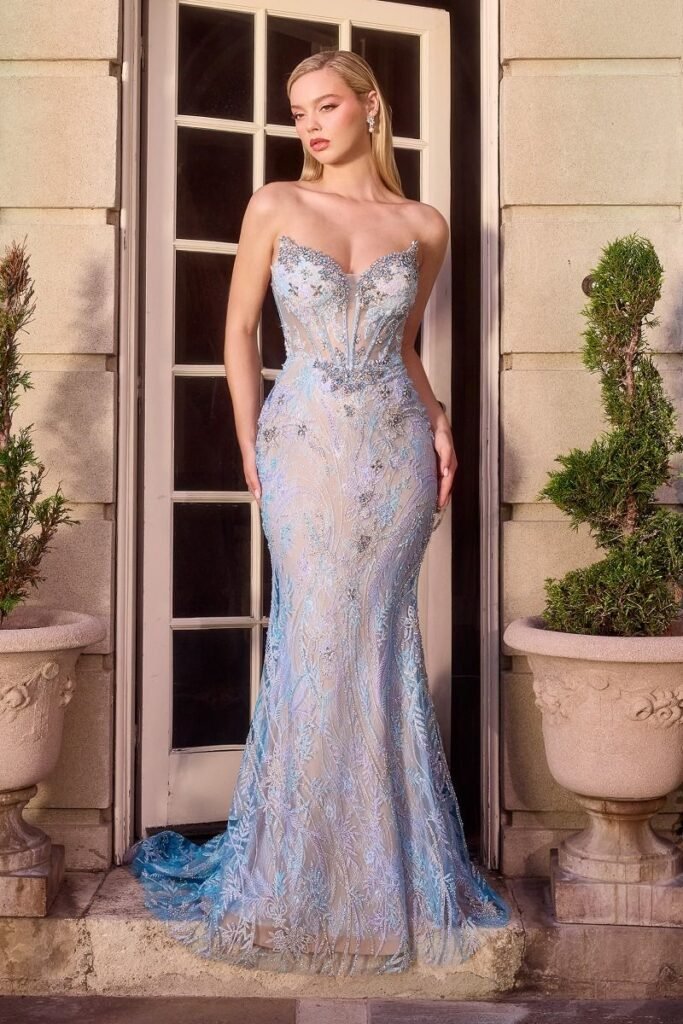
Shopping for structured evening gowns online becomes far easier when shoppers focus on construction quality rather than only trend appeal.
Smart shopping combines:
- Visual analysis
- Fabric understanding
- Body awareness
- Fit evaluation
- Tailoring expectations
Questions to Ask Before Buying
Before purchasing a strapless gown, shoppers should evaluate:
- Is the bodice fully lined?
- Does the dress include boning?
- Are interior photos available?
- Is the fabric structured or lightweight?
- Does the neckline appear stable?
- Are customer movement photos included?
These questions help identify whether the gown likely contains genuine support systems.
How Tailoring Improves Support
Even strong structured bodice dresses often benefit from tailoring.
Small alterations can dramatically improve:
- Waist anchoring
- Bust stability
- Neckline tension
- Posture support
- Overall comfort
Common tailoring upgrades include:
- Bodice tightening
- Cup repositioning
- Waist reshaping
- Strap additions
- Boning reinforcement
Tailoring often matters more than brand labels alone.
Why Measurements Matter More Than Size Labels
Formalwear sizing varies dramatically between brands.
Relying only on size numbers frequently causes:
- Gapping
- Compression problems
- Bust instability
- Poor support distribution
Shoppers should prioritize:
- Exact measurements
- Bodice proportions
- Torso length compatibility
- Bust shaping needs
A perfectly measured gown usually performs far better structurally than a guessed size.
Understanding Your Body Type Needs
Different body types require different support priorities.
Examples include:
- Fuller busts needing stronger anchoring
- Petite frames needing shorter bodices
- Athletic shapes needing waist definition
- Curvier figures needing reinforced tension balance
Understanding personal fit needs improves shopping success dramatically.
When Investing More Makes Sense
Certain situations justify stronger investment in structure:
- Long formal events
- Heavy gowns
- Complex silhouettes
- Strapless ball gowns
- High movement occasions
More advanced engineering often improves:
- Comfort
- Posture
- Stability
- Confidence
especially during extended wear.
BareMuse believes thoughtful shopping creates better fashion experiences than chasing trends blindly because structure directly affects how elegant a gown feels in real life.
Why BareMuse Prioritizes Hidden Structure in Strapless Designs
BareMuse understands that shoppers want more than beautiful product photos. They want gowns that:
- Feel secure
- Move comfortably
- Support posture
- Maintain shape
- Enhance confidence
This is why hidden structure remains central to every strapless silhouette design.
Designing Dresses That Feel Secure
BareMuse focuses on:
- Stable bodices
- Balanced compression
- Strategic boning placement
- Supportive lining systems
so dresses remain comfortable throughout:
- Photos
- Dancing
- Walking
- Long events
Combining Comfort With Sculpted Silhouettes
Strong support should never feel excessively rigid.
BareMuse designs aim to combine:
- Elegant shaping
- Wearability
- Natural movement
- Soft visual structure
without sacrificing stability.
Thoughtful Boning Placement and Bodice Engineering
Boning placement is engineered carefully to:
- Support curves naturally
- Prevent rolling
- Improve posture
- Stabilize the neckline
rather than simply adding stiffness.
Choosing Fabrics That Support Movement
BareMuse selects fabrics based on:
- Recovery strength
- Drape quality
- Structure retention
- Comfort balance
- Wrinkle behavior
because fabric performance directly affects long wear elegance.
Finding Structured Strapless Dresses That Feel Elegant
True elegance comes from balance between:
- Support
- Comfort
- Shape
- Movement
- Construction refinement
BareMuse combines modern style with thoughtful engineering to create strapless gowns that feel polished, wearable, and timeless.
Conclusion
Learning How to Spot High-Quality Boning & Structured Bodices When Shopping Online gives shoppers a major advantage when choosing formalwear confidently. While photos and marketing language can sometimes feel overwhelming, understanding the fundamentals of:
- Boning systems
- Fabric behavior
- Seam precision
- Bodice tension
- Internal support
helps reveal the true quality of a gown far more accurately.
The best structured prom dresses are not simply beautiful visually. They also provide:
- Stability
- Comfort
- Posture support
- Smooth movement
- Long wear confidence
Whether shopping for affordable formalwear or couture inspired gowns, recognizing strong construction details helps shoppers invest more wisely and avoid disappointment caused by weak engineering hidden beneath attractive styling.
BareMuse believes exceptional strapless fashion begins with thoughtful internal structure. By combining supportive construction, elegant fabric selection, balanced silhouette engineering, and wearable comfort, BareMuse creates strapless dresses that feel as beautiful as they look while helping shoppers experience formalwear with greater confidence and ease.