A strapless dress can look absolutely stunning in a fitting room mirror while you are standing still for thirty seconds, yet feel completely different the moment you start walking, sitting, dancing, or raising your arms. That is why understanding What to Check When Trying a Strapless Dress In-Store is so important before making a purchase. Many shoppers focus only on appearance, but the real difference between a dress that feels elegant and one that becomes frustrating all night comes down to movement, structure, support, and comfort. A gown that constantly slips, digs into the ribs, or collapses at the neckline can quickly ruin the experience of wearing formalwear.
This guide from BareMuse explores a complete movement test checklist for strapless dresses, helping shoppers evaluate support, neckline stability, bodice structure, posture, and long wear comfort before buying. This article explains how to test a strapless dress fit, how a gown should actually feel during movement, which warning signs suggest poor construction, and how different body types experience strapless silhouettes differently. BareMuse also shares expert level strapless gown fitting tips to help shoppers feel confident choosing dresses that are not only visually beautiful but also wearable for real events and long evenings.
Why Strapless Dresses Need a Different Fitting Process
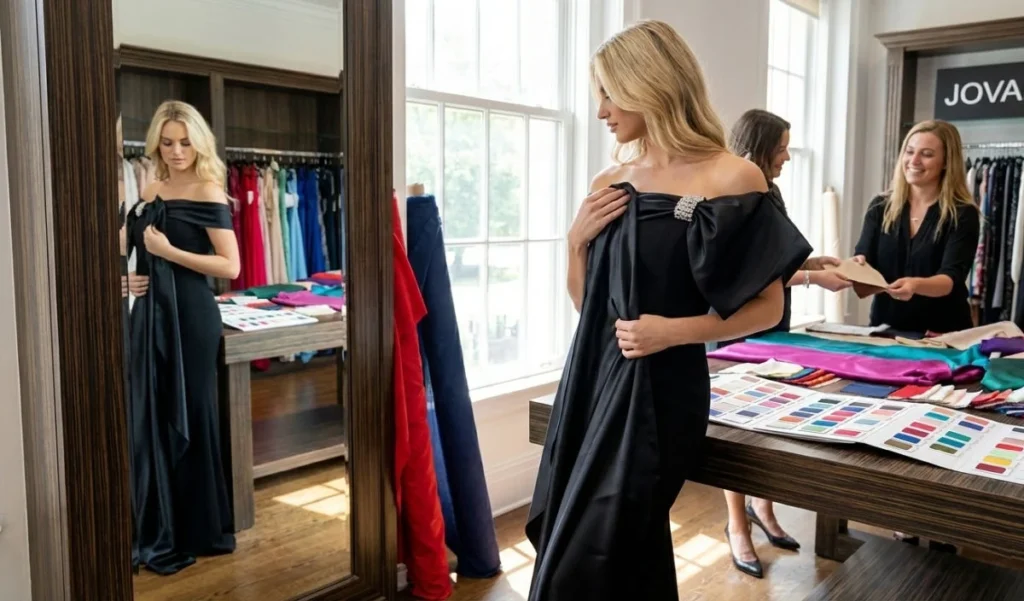
Trying on a strapless gown requires a very different mindset compared to shopping for dresses with sleeves or straps. A strapped dress can rely on shoulder support to stabilize the garment, but a strapless silhouette depends entirely on internal engineering, tension balance, and body anchoring.
This means movement testing becomes essential.
Why Standing Still Is Not Enough
One of the biggest shopping mistakes happens when people judge a strapless gown only while standing still in front of a mirror.
Most dresses can appear flattering for a few static moments. However, real life movement reveals:
- Support quality
- Bodice stability
- Fabric recovery
- Neckline security
- Compression balance
A gown that feels stable while motionless may begin:
- Sliding downward
- Rolling at the neckline
- Digging into the ribs
- Wrinkling across the bust
once the wearer starts moving naturally.
This is why experienced stylists always recommend movement based fitting rather than appearance alone.
How Movement Reveals Construction Quality
The true quality of structured bodice fitting becomes visible during:
- Walking
- Turning
- Sitting
- Breathing deeply
- Raising the arms
Good structure distributes tension evenly across the body. Poor construction often creates instability because the dress relies too heavily on tightness instead of engineering.
Movement testing helps identify:
- Weak boning
- Poor seam placement
- Insufficient support
- Uneven compression
- Unstable neckline shaping
These details matter significantly in trying on strapless dresses because small structural flaws become increasingly uncomfortable over time.
The Relationship Between Fit and Support
Support does not come purely from tightness.
A properly fitted strapless dress should:
- Stay secure
- Maintain posture
- Feel balanced
- Allow breathing
- Move naturally
without painful compression.
The best strapless dress support test is evaluating whether the dress remains stable without constant adjustment.
Many shoppers mistakenly size down aggressively hoping the dress will stay up better, but excessive tightness often:
- Distorts the silhouette
- Causes bulging
- Creates pressure marks
- Weakens comfort
- Reduces movement ease
Balanced support always performs better than extreme compression.
Why Many Shoppers Buy the Wrong Size
Formalwear sizing often varies dramatically between brands.
Shoppers commonly purchase the wrong size because they prioritize:
- Vanity sizing
- Immediate visual tightness
- Temporary mirror appearance
instead of evaluating long term wearability.
Signs the size may be incorrect include:
- Difficulty breathing
- Extreme bust compression
- Waist folding
- Neckline digging
- Fabric pulling
BareMuse encourages shoppers to focus on movement, comfort, and structural balance because elegant formalwear should feel supportive rather than restrictive.
The Essential Movement Test Checklist for Strapless Dresses
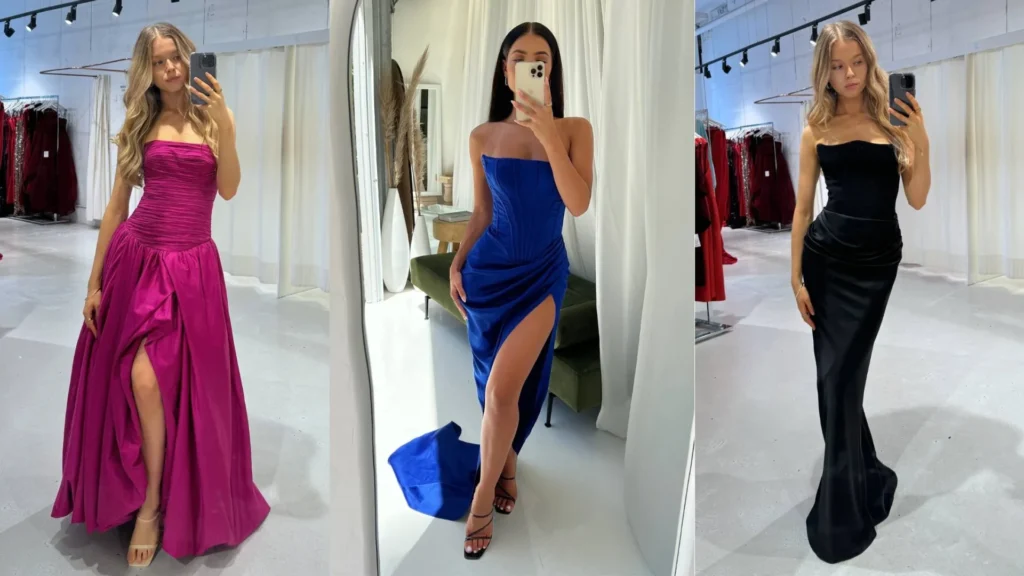
The most reliable way to evaluate a strapless gown is through active movement testing. This helps determine whether the dress will remain comfortable throughout:
- Dinner
- Dancing
- Walking
- Photos
- Long event hours
Instead of relying only on mirror appearance, shoppers should simulate realistic event movement.
Raise Your Arms Test
Lift both arms slowly above your head.
A well structured dress should:
- Remain relatively stable
- Maintain neckline shape
- Avoid major slipping
- Recover quickly once arms lower
Minor movement is normal, but excessive sliding suggests weak support.
If the bodice drops significantly during this test, the gown may lack:
- Proper boning
- Waist anchoring
- Structural balance
Walking Test
Walk naturally around the fitting room for several minutes.
Pay attention to:
- Bodice shifting
- Skirt twisting
- Compression comfort
- Bust stability
- Seam pulling
A strong strapless dress fitting guide always includes walking because movement changes how tension distributes across the body.
Sitting Down Test
Many dresses feel dramatically different once seated.
Sit naturally while checking for:
- Rib pressure
- Waist folding
- Neckline collapse
- Bust discomfort
- Boning digging
Some gowns become painful after sitting because the bodice lacks flexible engineering.
Twist and Turn Test
Rotate your torso gently side to side.
This helps reveal:
- Seam stability
- Fabric recovery
- Boning flexibility
- Tension distribution
A gown should move with the body instead of resisting movement aggressively.
Deep Breath Comfort Test
Take several deep breaths.
You should still feel:
- Comfortable
- Supported
- Able to expand your ribcage naturally
If breathing feels severely restricted, the dress may be:
- Too tight
- Poorly engineered
- Over compressive
Dance Simulation Test
Even simple movement simulation reveals valuable information.
Try:
- Small dance steps
- Gentle bouncing
- Turning movements
This helps test whether the neckline remains secure during realistic event activity.
Quick In-Store Strapless Dress Checklist
Before buying, ask yourself:
- Does the dress stay up naturally?
- Am I constantly adjusting it?
- Can I breathe comfortably?
- Does the neckline stay smooth?
- Does the waist feel balanced?
- Is movement restricted?
- Does the bust remain supported?
- Do seams stay aligned during walking?
These questions often reveal more about dress quality than visual appearance alone.
BareMuse believes movement testing is one of the smartest ways to evaluate formalwear because real elegance depends on how a dress performs throughout an entire event rather than a single fitting room pose.
How a Strapless Dress Should Actually Fit
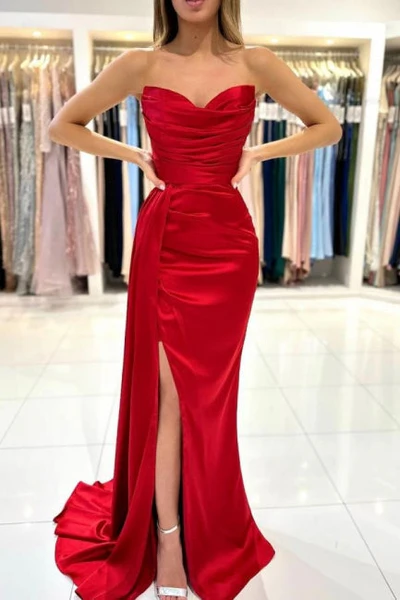
Many shoppers are unsure how a strapless gown is supposed to feel. Some expect total looseness while others assume painful tightness is necessary for support.
In reality, the best fit exists between those extremes.
How Tight Is Too Tight
A strapless dress should feel:
- Secure
- Stable
- Supported
but not painfully compressive.
Overly tight dresses often create:
- Rib discomfort
- Bulging
- Restricted breathing
- Wrinkling
- Neckline distortion
Support should come from engineering rather than aggressive squeezing.
Signs the Bodice Is Too Loose
A loose bodice may show:
- Gapping at the bust
- Neckline slipping
- Fabric folding
- Uneven compression
- Side seam shifting
These signs suggest the gown lacks enough tension balance for stability.
Bust Support vs Compression
Strong support does not always require heavy compression.
Good how a strapless dress should fit principles include:
- Balanced tension
- Smooth contouring
- Stable bust shaping
- Comfortable movement
Luxury gowns often feel surprisingly wearable because internal structure distributes support efficiently.
Waist Anchoring and Stability
The waist plays a major role in stabilizing strapless gowns.
Proper anchoring helps:
- Prevent slipping
- Distribute weight
- Reduce neckline tension
- Improve posture
Without waist support, the bust area absorbs excessive pressure.
How Neckline Placement Affects Security
The neckline should sit:
- Smoothly
- Evenly
- Symmetrically
across the upper bust.
If positioned too low, support weakens significantly. If too high, the dress may:
- Dig into skin
- Restrict movement
- Distort proportions
BareMuse carefully engineers neckline placement because elegant strapless styling depends heavily on visual balance and support harmony.
Construction Details to Check in the Fitting Room
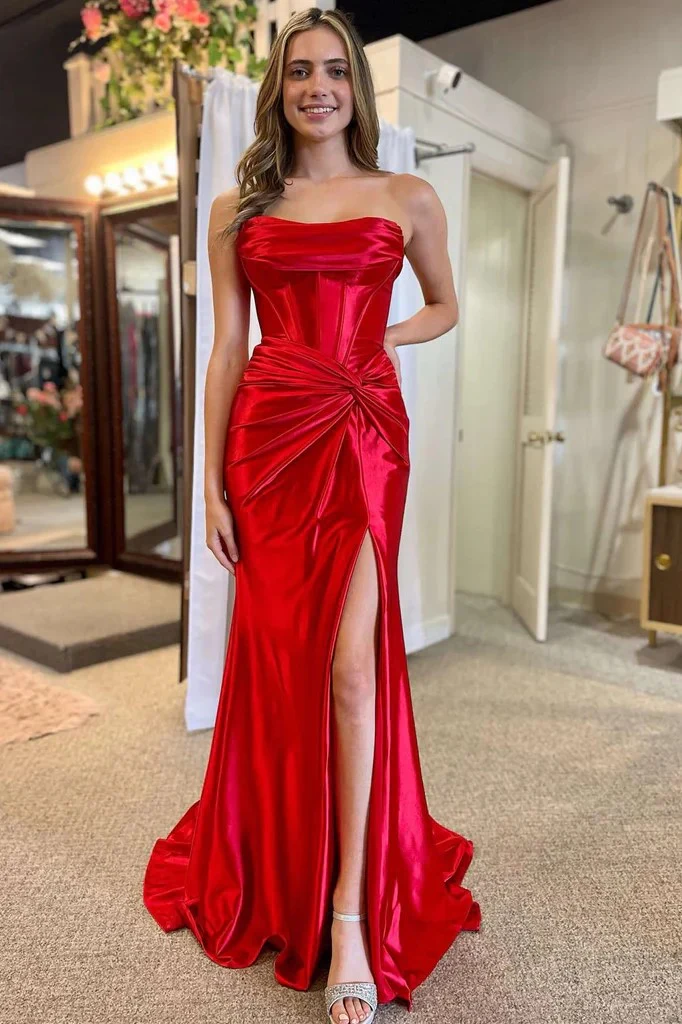
Many shoppers focus only on the visible silhouette when trying on strapless dresses, but hidden construction details often determine whether the gown will remain comfortable and supportive throughout an event. Even visually beautiful dresses can become frustrating if the internal engineering is weak.
Understanding what to inspect inside the fitting room helps shoppers evaluate quality more accurately before committing to a purchase.
Boning Placement
Boning is one of the most important structural elements in a strapless gown.
Well positioned boning helps:
- Stabilize the neckline
- Support posture
- Shape the torso
- Prevent rolling
- Improve movement balance
Run your hands gently along the inside of the bodice to identify:
- Vertical support channels
- Boning flexibility
- Symmetrical placement
Strong structured bodice fitting often includes boning positioned:
- Along princess seams
- Near side seams
- Around the waist structure
Poor boning placement may create:
- Digging
- Uneven tension
- Buckling
- Fabric collapse
Very thin or flimsy boning usually struggles to support movement effectively during long wear.
Grip Tape and Internal Elastic
Many high quality strapless gowns include hidden grip support systems.
These may include:
- Silicone grip tape
- Internal elastic bands
- Waist stays
- Support mesh
These features help reduce slipping without requiring excessive compression.
When testing the gown, notice whether the dress:
- Feels anchored naturally
- Remains stable while walking
- Requires constant adjustment
A good strapless dress support test reveals whether the internal support works together smoothly rather than relying entirely on tightness.
Lining Quality
Lining dramatically affects:
- Comfort
- Structure
- Sweat management
- Seam smoothness
- Fabric stability
Cheap lining often feels:
- Scratchy
- Thin
- Loose
- Unstable
Better gowns usually feature:
- Smooth interior finishing
- Reinforced lining layers
- Stable support fabrics
- Balanced interior tension
Good lining helps the dress glide comfortably against the body while supporting the outer silhouette.
Built-In Cups and Support Panels
Built in cups vary widely in quality.
Well designed cups should:
- Sit naturally
- Maintain smooth contouring
- Avoid awkward projection
- Support movement
Poor cups often:
- Shift position
- Collapse
- Gap visibly
- Create asymmetry
Support panels can improve:
- Compression balance
- Bust shaping
- Waist definition
- Overall comfort
These hidden details strongly influence how polished the gown feels during wear.
Zipper Stability and Back Structure
The zipper area reveals a surprising amount about construction quality.
Strong back structure should:
- Lay smoothly
- Zip cleanly
- Maintain tension evenly
- Avoid puckering
Weak zipper construction often causes:
- Fabric rippling
- Back bulging
- Uneven compression
- Structural instability
A properly engineered zipper area supports the entire bodice balance.
BareMuse emphasizes hidden structural details because true elegance depends not only on visible beauty but also on how confidently and comfortably the gown performs in motion.
Red Flags That Suggest the Dress Will Become Uncomfortable Later
Some fitting room issues may seem minor initially but become major discomfort problems during long events. Recognizing warning signs early can save shoppers from purchasing gowns that feel exhausting after only a few hours.
Rolling Necklines
A rolling neckline usually indicates:
- Weak boning
- Poor tension balance
- Thin fabric
- Insufficient support structure
The neckline should remain:
- Smooth
- Stable
- Even
during normal movement.
Rolling edges often worsen over time as body heat and movement soften the fabric structure.
Constant Pulling Upward
If you instinctively keep pulling the dress upward every few minutes, this usually signals:
- Poor waist anchoring
- Weak internal support
- Incorrect sizing
- Inadequate boning
A properly fitted strapless gown should not require constant correction.
This is one of the most important indicators in any movement test checklist for strapless dresses.
Painful Rib Pressure
Support should feel secure, not painful.
Excessive rib pressure may indicate:
- Over tightening
- Poor boning flexibility
- Weak tension distribution
- Incorrect bodice proportions
Pain often increases significantly after several hours of wear.
Wrinkling Across the Bust
Wrinkling commonly signals:
- Weak structure
- Incorrect cup shaping
- Loose tension
- Poor seam engineering
A supportive bodice should maintain:
- Smooth contouring
- Even compression
- Stable shaping
without excessive fabric collapse.
Uneven Compression Marks
After removing the dress, notice whether pressure marks appear:
- Balanced
- Symmetrical
- Mild
Severe uneven marks may indicate poor fit balance or structural issues.
Signs of problematic compression include:
- Deep side seam pressure
- Rib digging
- Uneven skin indentation
- Bust distortion
BareMuse encourages shoppers to prioritize comfort and long wear stability because beautiful dresses should enhance confidence rather than create constant physical distraction.
How Different Body Types Experience Strapless Dress Fit
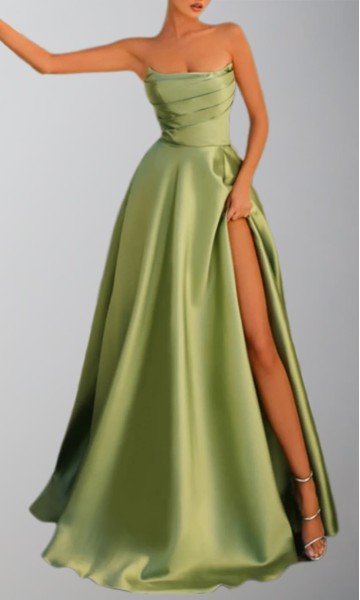
Not every strapless gown behaves the same way on different body proportions. Understanding body specific support needs helps shoppers evaluate fit more realistically.
Full Bust Support Needs
Fuller busts usually require:
- Stronger boning
- Better waist anchoring
- Reinforced cups
- More stable necklines
Weak structure often causes:
- Slipping
- Bust compression
- Neckline collapse
- Shoulder tension from posture compensation
Support should lift naturally rather than flatten aggressively.
Petite Frame Challenges
Petite shoppers often struggle with:
- Excessively tall bodices
- Overwhelming proportions
- Cup placement issues
- Neckline positioning
A bodice that is too long may:
- Dig into the ribs
- Fold while sitting
- Distort movement
Balanced proportion matters significantly in how to test a strapless dress fit.
Curvy Waist-to-Hip Ratios
Curvier body types may need:
- Better waist contouring
- Flexible tension balance
- Enhanced seam shaping
- Improved hip transition structure
Poorly balanced dresses may twist or ride upward during walking.
Athletic Body Shapes
Athletic frames often benefit from:
- Defined waist shaping
- Structured bust contouring
- Softer neckline curves
- Sculpted seam placement
Because straighter proportions distribute tension differently, support systems may need stronger waist definition for stability.
Long Torso vs Short Torso Fit Differences
Torso length strongly affects strapless dress comfort.
Long torso wearers may experience:
- Waist riding too high
- Bust compression
- Short bodice discomfort
Short torso wearers may experience:
- Rib digging
- Bodice folding
- Excess neckline height
This is why tailoring often improves strapless fit dramatically.
BareMuse designs strapless gowns with thoughtful proportion engineering because elegant fit depends on balancing support with body specific comfort needs.
What to Check When Trying a Strapless Dress In-Store Before Making the Final Decision
Even after completing a full movement test checklist for strapless dresses, shoppers should spend a few additional minutes evaluating how the gown feels emotionally and physically before making the final purchase decision. Many fitting room mistakes happen because shoppers focus entirely on how dramatic or trendy the dress appears while ignoring subtle comfort and support issues that become much more obvious during a real event.
A helpful strategy is wearing the gown continuously inside the fitting room for at least ten to fifteen minutes rather than removing it immediately after checking the mirror. Extended wear reveals details that quick try-ons often hide, especially in structured bodice fitting. During this time, pay attention to whether the dress:
- Feels heavier over time
- Creates pressure around the ribs
- Begins slipping gradually
- Causes posture fatigue
- Restricts natural breathing
- Requires repeated adjustment
One of the smartest ways to evaluate how to test a strapless dress fit is imagining yourself wearing the gown through an actual evening schedule. Consider:
- Walking between venues
- Sitting during dinner
- Dancing for hours
- Taking photographs
- Hugging people
- Climbing stairs
A dress that only works while standing perfectly still is unlikely to remain comfortable throughout a full formal event.
Shoppers should also evaluate how the gown affects posture and confidence psychologically. Strong supportive bodice dresses often create a feeling of security because the wearer trusts the garment to stay balanced during movement. Poorly engineered gowns create the opposite effect, causing constant self awareness and adjustment anxiety.
Another important detail involves checking the dress under different lighting angles inside the store. Certain fitting rooms use highly flattering lighting that can hide:
- Wrinkling
- Fabric pulling
- Uneven compression
- Sheer lining
- Neckline instability
Whenever possible, step into natural light or brighter store lighting to inspect:
- Seam smoothness
- Bust shaping
- Fabric texture
- Overall silhouette balance
This is especially important for satin, stretch knit, and fitted strapless gowns because lighting dramatically changes how construction details appear visually.
Shoppers should also test accessory compatibility before purchasing. A gown may fit differently once paired with:
- Strapless bras
- Shapewear
- Heels
- Jewelry
- Shawls
For example, higher heels may alter posture and tension distribution throughout the bodice. Similarly, certain shapewear pieces may improve or worsen waist anchoring depending on the dress construction.
Another overlooked aspect of trying on strapless dresses is temperature comfort. Some heavily structured gowns initially feel secure in air conditioned fitting rooms but become noticeably uncomfortable once body heat increases during real wear. Fabrics with poor breathability may lead to:
- Sweating
- Increased slipping
- Skin irritation
- Fabric sticking
This is why lining quality and fabric choice matter just as much as silhouette aesthetics.
Before purchasing, ask yourself a final group of practical questions:
- Can I wear this dress for several hours comfortably?
- Do I trust the neckline to stay secure?
- Does the structure support me naturally?
- Can I move confidently without fear of slipping?
- Am I adjusting the gown constantly?
- Does the dress feel balanced while walking and sitting?
These questions often provide clearer answers than focusing only on visual appearance.
BareMuse believes the best strapless dresses combine:
- Elegant design
- Stable structure
- Comfortable movement
- Long wear confidence
- Thoughtful engineering
because true luxury in formalwear comes from how beautifully a dress performs throughout the entire experience rather than only during the fitting room mirror moment.
Why BareMuse Focuses on Movement-Tested Strapless Construction
BareMuse believes a gown should feel as elegant in motion as it looks in photographs. This is why movement testing plays a major role throughout the design process.
Designing for Real Movement
BareMuse evaluates gowns during:
- Walking
- Sitting
- Turning
- Dancing
- Long wear simulation
because real events involve constant movement rather than static posing.
Balancing Structure and Comfort
Strong support should never feel overly rigid.
BareMuse focuses on:
- Balanced compression
- Flexible support systems
- Comfortable lining
- Natural shaping
to create gowns that feel secure without sacrificing wearability.
Thoughtful Bodice Engineering
Each bodice is carefully designed to improve:
- Neckline stability
- Waist anchoring
- Bust support
- Seam balance
- Postural comfort
This creates silhouettes that remain polished throughout long events.
Creating Elegant Neckline Stability
Neckline engineering strongly affects both:
- Visual elegance
- Functional support
BareMuse carefully refines neckline placement to maintain:
- Smooth tension
- Symmetry
- Comfortable support
- Natural framing
during movement.
Helping Wearers Feel Confident All Night
Confidence often comes from knowing the dress will:
- Stay secure
- Feel comfortable
- Move gracefully
- Maintain structure
BareMuse combines thoughtful engineering with elegant aesthetics to help wearers enjoy formal events without constantly adjusting their gowns.
Conclusion
Understanding What to Check When Trying a Strapless Dress In-Store helps shoppers evaluate dresses far beyond surface level appearance. A strapless gown should not only look flattering in a fitting room mirror but also remain:
- Stable
- Comfortable
- Supportive
- Elegant
through real movement and long wear.
Using a complete movement test checklist for strapless dresses allows shoppers to identify issues early, including:
- Slipping
- Rolling necklines
- Weak support
- Uneven compression
- Restrictive structure
Movement testing, posture evaluation, and fit awareness are often more important than trends or labels alone because the true luxury of formalwear comes from confidence and comfort during actual wear.
BareMuse believes thoughtful strapless design begins with hidden engineering, balanced structure, and wearable elegance. By focusing on movement tested construction, refined bodice shaping, and long wear comfort, BareMuse creates strapless dresses that feel polished, secure, and beautifully suited for real formal occasions.